What does a new-build apartment handover inspection involve? A complete guide for buyers
Buying a flat from a developer is one of the biggest investments of your life. Whether it is your first home or another property, the handover inspection is a key stage of the purchase process. During this meeting you make sure that the developer has delivered the flat in line with the contract and applicable standards. So it is worth knowing exactly what to look out for in order to avoid problems in the future. Here is a complete guide to help you through the process step by step.
1. What is a new-build apartment handover inspection?
The handover is the formal transfer of the property from the developer to the new owner. In practice, this means the developer invites you to view the finished flat and assess whether it has been built in line with the terms of the development agreement and applicable building standards.
This is the moment when you can raise any concerns about the quality of the work and demand that defects be rectified before you finally receive the keys. It is therefore one of the most important meetings with the developer, and how it goes has a decisive impact on whether the purchase is completed successfully.

2. When does the handover take place?
The handover takes place once construction work has been completed and the developer has obtained the occupancy permit for the building. The exact handover date should be set out in the development agreement and usually follows the project schedule. Before the handover, the developer is obliged to inform you that the flat is ready, usually several weeks in advance.
It is worth knowing that even if the developer invites you to the handover, you do not have to accept the flat if you notice any discrepancies or defects. You can request that they be repaired, and the developer is obliged to bring the property into line with the contract.
3. What should you take to the handover inspection?
To make the handover go smoothly and stress-free, it pays to prepare properly. Here is a list of the most important things to take with you:
- The development agreement – the basis for comparing what the contract says with reality.
- The floor plan – lets you check whether the room dimensions match the design.
- The list of finishing standards – helps you assess whether the developer has used the right materials and technologies.
- A torch, a spirit level (2 m), a set square (100 x 50), a tape measure or laser distance meter, and a feeler gauge – useful tools for checking technical details such as how level the walls, ceiling and floor are.
- A camera or smartphone – for documenting any defects.
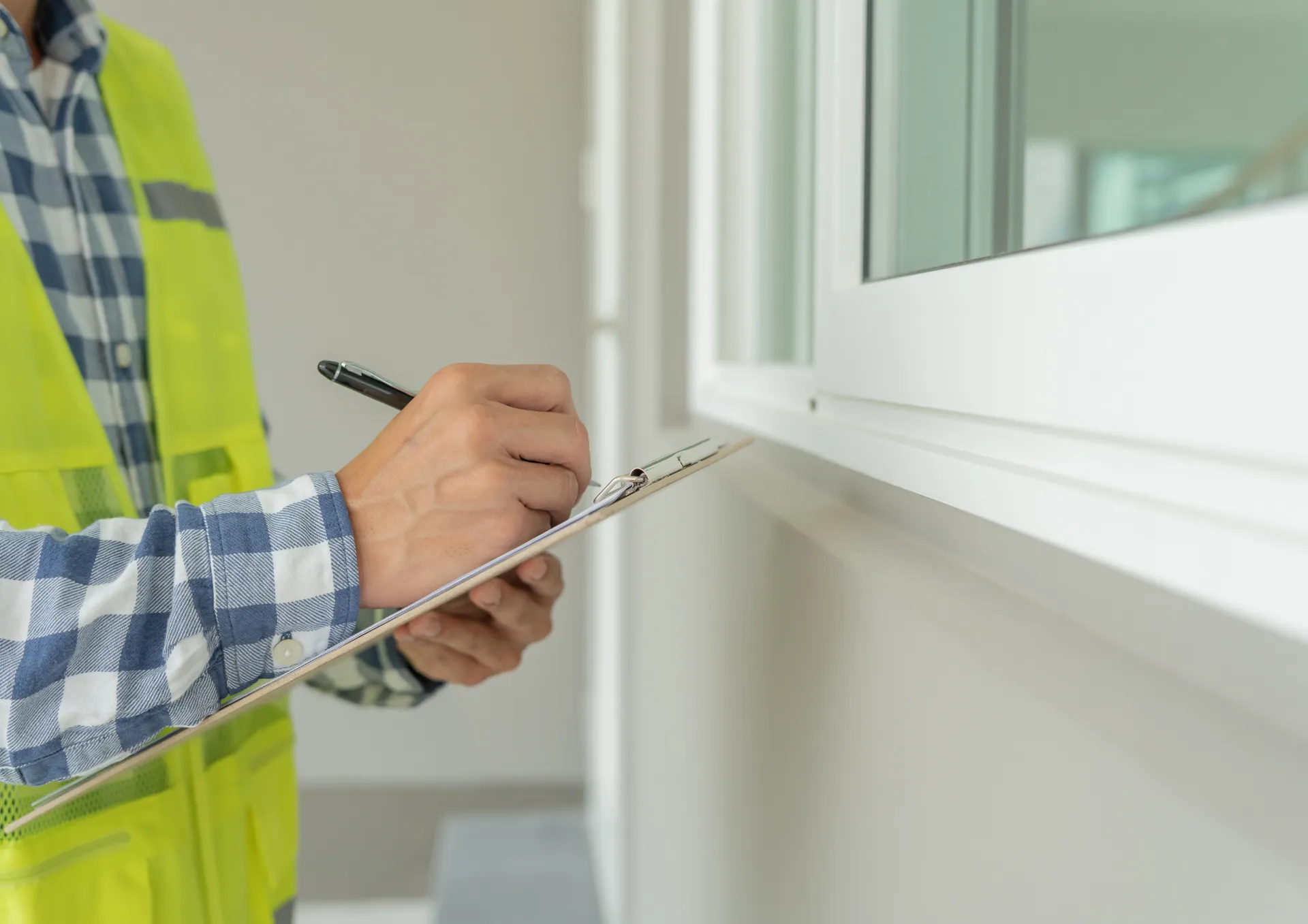
You can also choose professional support, e.g. a building inspector or someone who specialises in apartment handover inspections. This kind of help can prove invaluable, especially if you do not feel confident about technical matters or do not want to gather all the equipment yourself. Professional inspectors often have equipment such as a laser distance meter, a cross-line laser or a thermal imaging camera, which increase the chances of detecting defects or shortcomings in the contractor’s work.
4. What should you look out for during the handover inspection?
During the handover it is worth paying attention to many aspects to make sure the flat complies with the contract and meets all the requirements. Here are the most important things to check:
- Usable floor area – measure whether the room dimensions match what is stated in the contract. Even small differences can matter a great deal, especially if you rent out the flat or plan to sell it.
- Level walls and floors – walls and floors should be perfectly level, with no bulges, cracks or distortions.
- Windows and doors – check that the windows and doors operate smoothly, are undamaged and have been installed correctly.
- Services – make sure that all the installations – electrical, water, gas and ventilation – work properly. Check that the sockets are well positioned and that the lights work in every room.
- Ventilation – check that the ventilation in the bathroom and kitchen works properly. You can do this with a simple test: hold a sheet of paper against the ventilation grille. If the paper is drawn towards it, the ventilation is working.
- Heating – make sure the radiators are correctly installed and working, and that there are no leaks in the central heating system.
5. How to report defects and discrepancies?
If you notice any defects or discrepancies during the handover, you have the right to report them to the developer. It is worth drawing up a handover report describing all the defects you have found in detail. It is important that the report includes:
- An exact description of the defect.
- The location of the defect (e.g. “a 20 cm crack in the living room wall”).
- The deadline by which the developer undertakes to rectify the defect.
By law, the developer is obliged to rectify the reported defects within the agreed time, usually within 30 days of the date of the report. If the developer fails to remedy the defects within the set time, you have the right to claim compensation or even withdraw from the contract, depending on the seriousness of the defect.
6. Professional support – is it worth it?
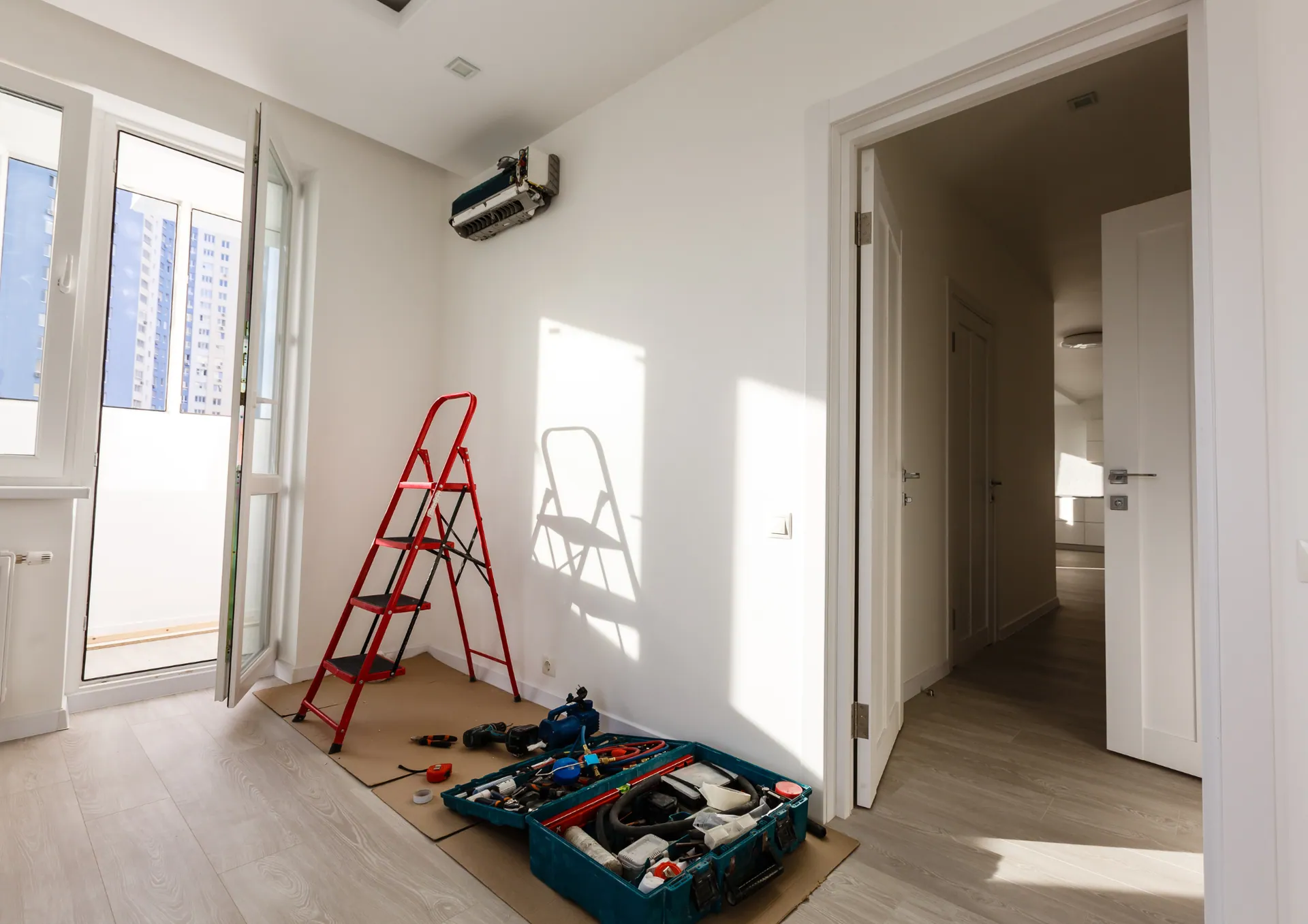
Many buyers decide to hire a specialist to help with the handover. This may be a building inspector or a company specialising in technical inspections of flats. A professional will help you assess the condition of the flat and point out any defects and irregularities that someone without construction experience might miss.
Hiring a specialist may cost a few hundred złoty, but the investment often pays off, especially if serious defects are at stake that could affect your comfort or generate additional costs in the future.
7. What to do after the handover?
Once the handover is complete and any defects have been rectified, the developer hands over the keys to the flat. This means you become its legal owner and can begin the finishing works or move in. Bear in mind, however, that some defects may only appear after the flat has been in use for some time.
In Poland, the statutory warranty for physical defects (rękojmia) applies for 5 years from the date of handover. This means that if defects resulting from faulty construction work appear during this period, you have the right to demand that the developer rectify them.
Summary
The handover inspection of a flat from the developer is a key stage of the purchase process that can determine your comfort for many years. So it is worth taking the time to check the technical condition of the property thoroughly and, if necessary, using the help of a specialist. Remember that you have the right to report any defects and demand that they be repaired before the keys are finally handed over.
Thanks to this guide, you now know what to look out for and how to prepare for the handover. Make sure your new home has been built to your expectations and meets all the standards – and the handover will become a formality that brings you closer to your dream home.
And before you buy a flat, check out the developer!
tags: apartment handover inspection Warsaw, apartment handover inspection Warsaw Ursynów, apartment handover inspection Warsaw Mokotów, new-build apartment handover inspection in Warsaw, new-build apartment handover inspection in Wilanów, new-build apartment handover inspection in Piaseczno,