Renovation materials
Renovating a flat requires careful planning and the selection of materials suited to specific tasks, such as painting or tiling. The choice of materials depends on the nature of the renovation and the budget, and basic products such as paints, plasters, ceramic tiles and wallpapers can be tailored to individual needs. Bear in mind, however, that not every material is suitable for every room, so it is worth paying attention to their properties in the context of the results you are aiming for.
Which materials to choose for renovating the floors in your flat
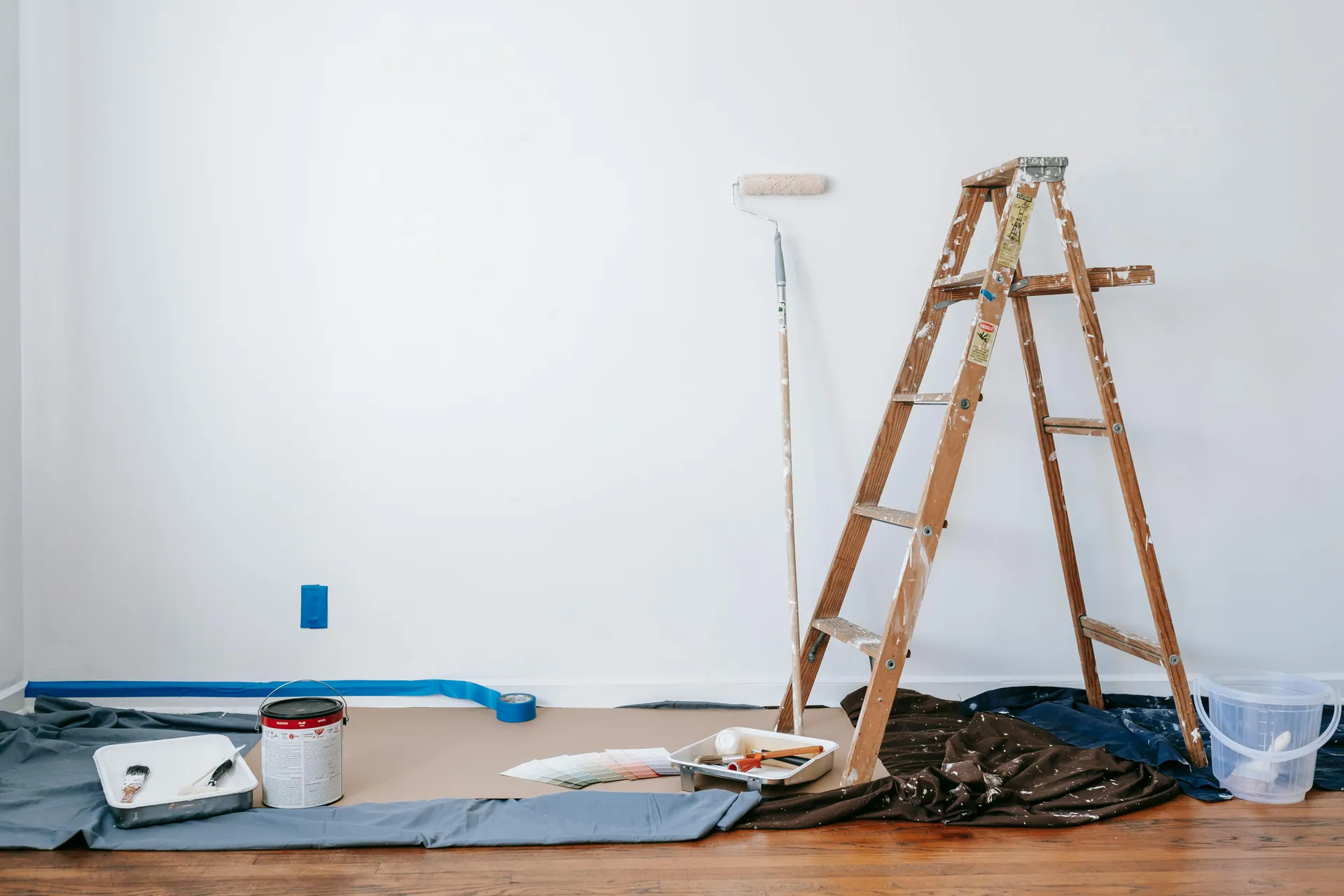
Floors are a key part of any apartment renovation, affecting both the look and the comfort of the rooms. Choosing between materials such as laminate flooring, parquet, ceramic tiles or vinyl flooring means weighing up their pros and cons. Laminate is inexpensive and easy to install, but less durable than parquet. Ceramic tiles are ideal for damp areas but can feel cold, while vinyl flooring is popular thanks to its scratch resistance and ease of cleaning. Your choice should reflect the household’s lifestyle and how heavily the room is used.
The most popular finishing materials used in renovations
Finishing materials are crucial to the final look of any renovated interior. This category offers a wide range of products that let you give rooms the character you want.
The most popular finishing materials include paints, wallpapers, decorative plasters and wall panels. Paint is the most versatile solution, and with a wide range of colours and types available – such as latex, acrylic or ceramic paints – there is something for everyone.
Wallpaper, on the other hand, is an excellent option for anyone who wants to bring patterns and textures into an interior. Vinyl wallpapers, which are moisture-resistant and easy to clean, are an increasingly popular choice.
Decorative plasters, such as textured plaster or travertine finishes, give interiors a unique look and can make an interesting backdrop for furniture and decor. Wall panels are a solution for those who value quick installation and easy cleaning. They make it easy to transform an interior and give it a modern look.

What materials do you need for a bathroom renovation
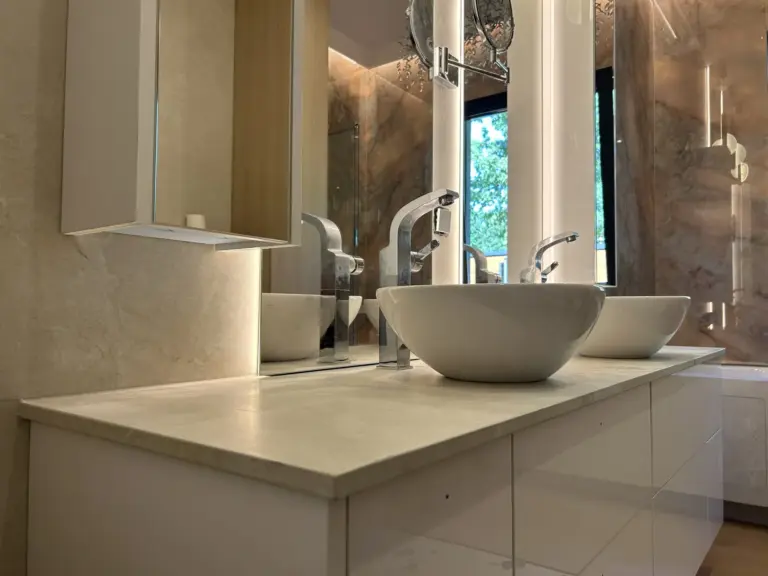
Renovating a bathroom is one of the most demanding parts of refurbishing a flat, mainly because of the specific conditions in this room, such as humidity and changing temperatures. That is why it is so important to choose materials that are durable and resistant to these factors.
The basic materials used in bathrooms include ceramic tiles, waterproof paints and waterproofing systems. Ceramic tiles are the most popular choice for bathroom walls and floors because they are highly moisture-resistant and easy to keep clean.
Today, a wide variety of tile patterns and formats is available, allowing you to create unique designs. Waterproof paints, used on walls not exposed to direct contact with water, are another option, giving you more freedom in designing the bathroom and helping it look new for longer.
Proper protection against moisture using waterproofing systems, which prevent water from leaking into other rooms, is also an essential part of a bathroom renovation. It is worth investing in high-quality products that will provide long-lasting protection and keep your bathroom in good condition.
read more about bathroom renovation here: >>>BATHROOM RENOVATION<<<
Kitchen renovation materials worth considering
The kitchen is the heart of the home, so renovating it requires particular care and materials that are both practical and attractive. Choosing the right kitchen materials can make a big difference to how comfortable the room is in everyday use.
The most important materials used in kitchens include ceramic tiles, worktops and paints with increased resistance to moisture and dirt. Ceramic tiles are most often used on the floor and on the walls of the work area, where they protect against moisture and high temperatures.
Worktops are a key element of every kitchen – they must be resistant to mechanical damage and high temperatures, and easy to keep clean. Worktops are available in laminate, wood, natural stone and engineered stone (quartz composite). Each of these materials has its advantages, but your choice should depend on the style of the kitchen and your budget.
Kitchen paints should offer increased resistance to moisture and be easy to clean, so that keeping the room clean is as simple as possible.
You can read more about kitchen worktops on the emas-stone website
What materials do you need to finish walls and ceilings
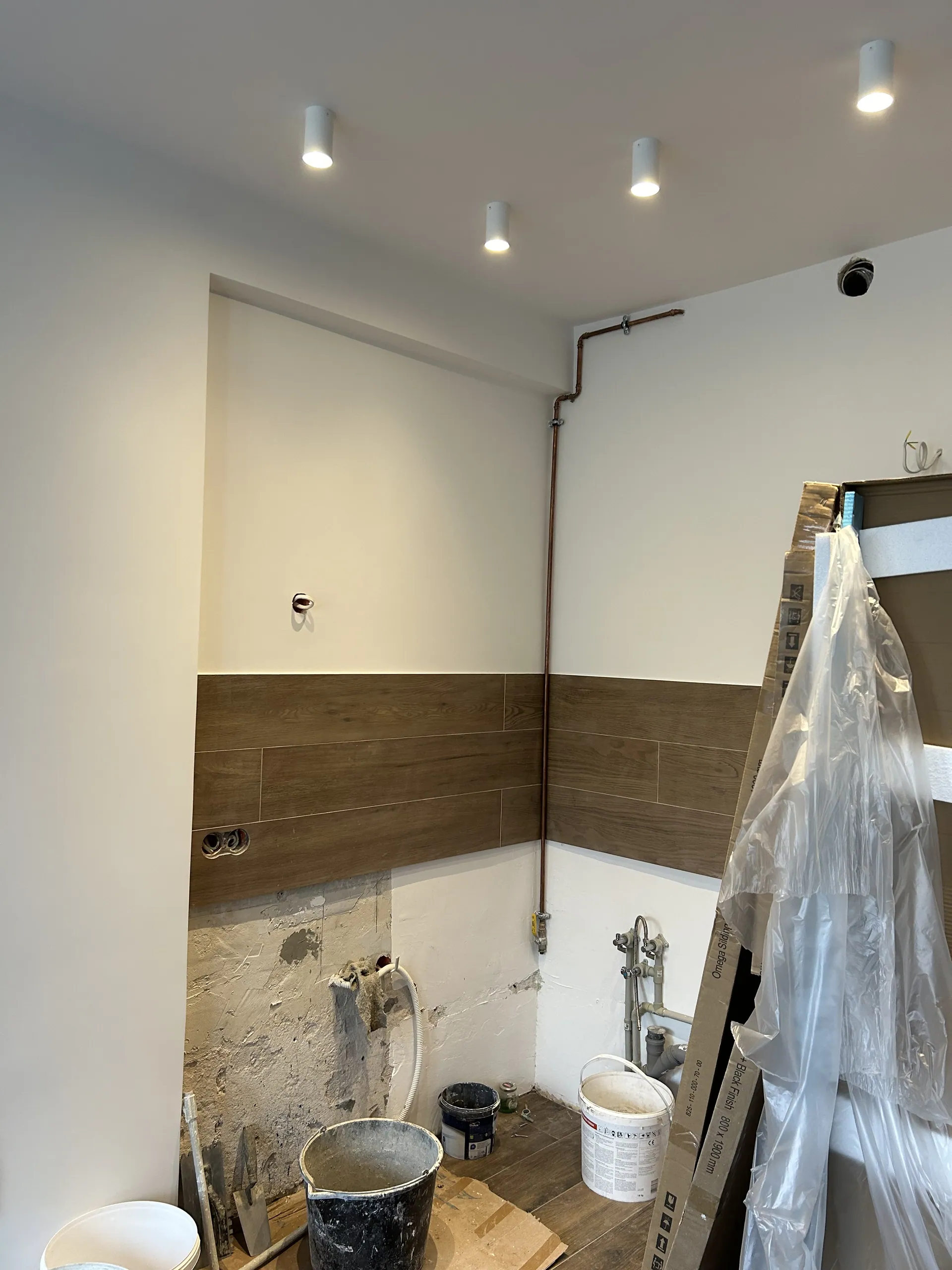
Finishing walls and ceilings is the foundation of any major renovation and has a big influence on the final look of a room. There are many materials on the market that can be used for this purpose, depending on individual needs and preferences.
The most popular wall materials include paints, wallpapers and decorative plasters. Paint is the simplest solution and allows a room to be refreshed quickly. There are different types of paint, such as latex, acrylic or ceramic, which differ in their properties and intended use.
Wallpaper is an alternative to paint, particularly recommended for rooms where you want a more striking decorative effect. Vinyl, textile and fibreglass wallpapers are just some of the options available, all of which are highly durable and easy to keep clean.
Decorative plasters, such as textured plaster, decorative concrete or stucco, are a solution for people who appreciate original finishes.
Which materials to consider when renovating a bedroom
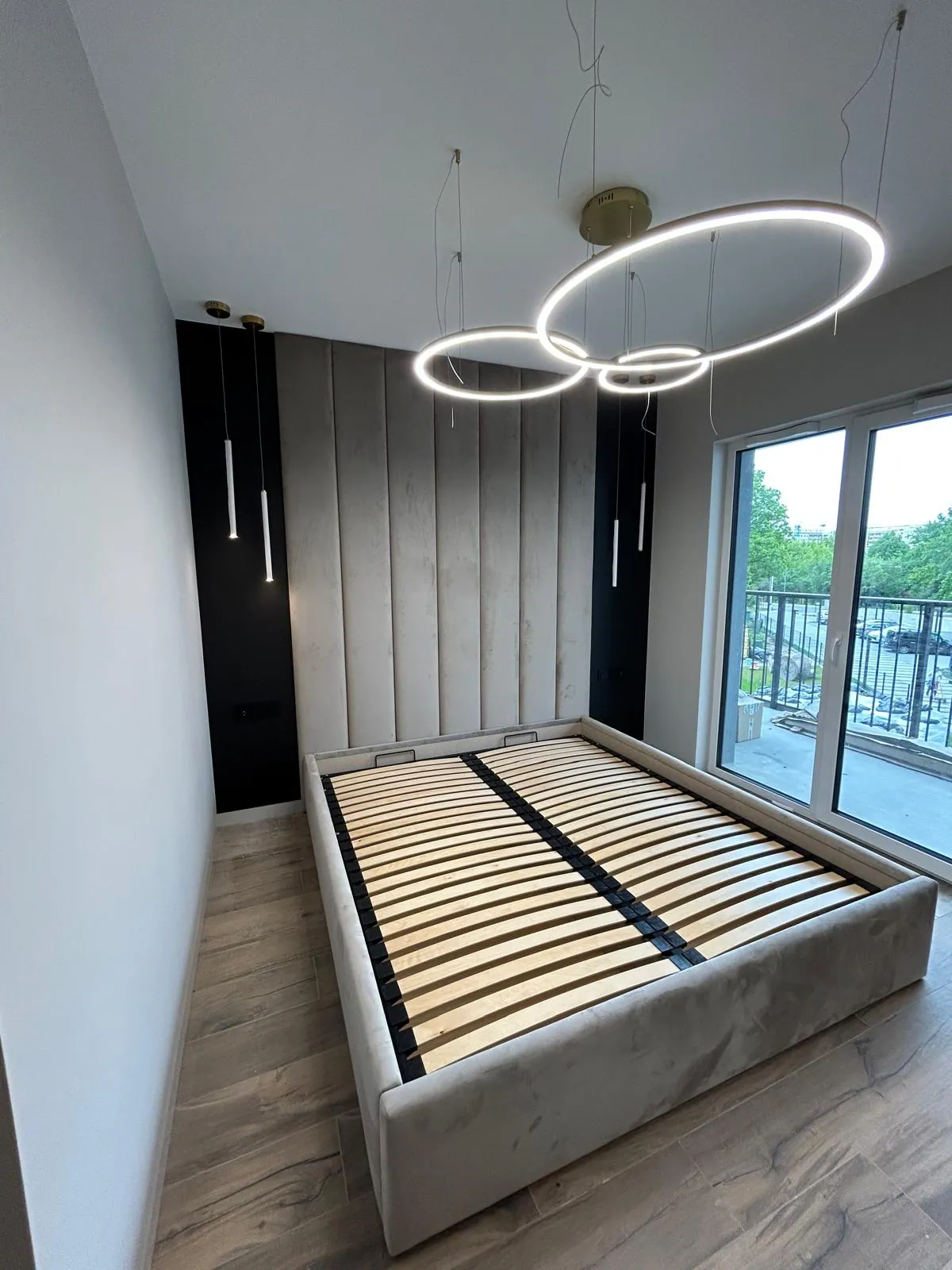
The bedroom is a place for relaxation and rest, so its decor should help you unwind and create a cosy atmosphere. The choice of materials for a bedroom renovation is crucial to the comfort of those who use it, so it is worth paying attention to elements such as the floors, walls and lighting.
For the floors, warm and soft materials such as fitted carpet or wooden flooring may be the best choice. Bedroom walls should be kept in muted, relaxing colours – paints in pastel shades and wallpapers with delicate patterns work perfectly.
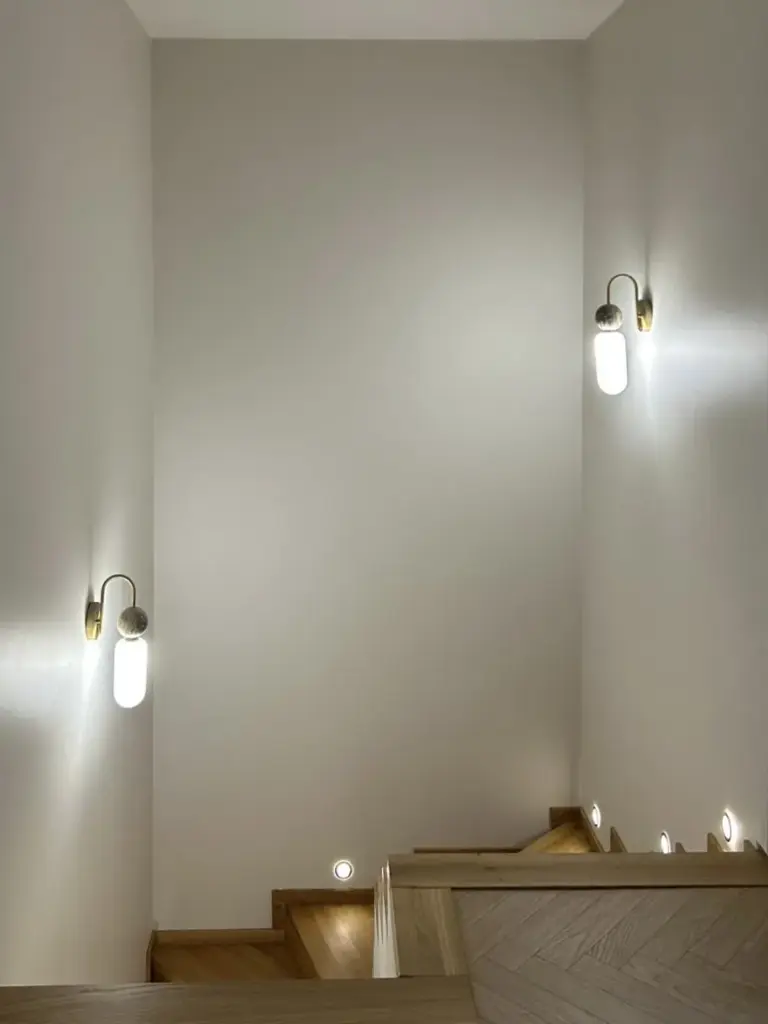
Bedroom lighting should be soft and atmospheric, so it is worth investing in bedside lamps and wall lights. In addition, textiles such as curtains, net curtains and bedspreads can give the bedroom a cosy feel.

Which materials to choose for renovating a hallway
The hallway is the calling card of every home, so its renovation should be well thought out. The choice of materials for this space must take into account both aesthetics and practicality, as the hallway is heavily used.
The most popular materials used in hallways include floor tiles, wall panels and dirt-resistant paints. Ceramic tiles are the best choice for hallway floors, as they are easy to clean and resistant to damage.
Wall panels are a quick way to refresh the interior while protecting the walls from dirt and mechanical damage. Hallway paints should be dirt-resistant and easy to clean, so that keeping this space tidy is never a problem.
The CENEO magazine offers a wealth of knowledge about types of paint
With a renovation company, choosing is easy
our specialists will advise you on all the important decisions
Working with a renovation company is an excellent choice, because the specialists have not only experience but also extensive knowledge of materials and the latest technological solutions.
With their support, choosing the right products becomes much easier and the renovation itself runs more smoothly. A renovation company will advise you on the best materials for your budget and needs, and help you avoid the mistakes that can happen when you plan and carry out the work yourself.
The professionals will take care of every detail, so you can enjoy an excellent end result without unnecessary problems or stress.