How long does a new-build apartment handover inspection take?
Taking over a new apartment from the developer is a moment many people eagerly await. This is when we check whether our dream home meets our expectations and has been built as agreed. But how long does an apartment handover inspection actually take? Is it a quick process, or one that calls for patience and attention to detail? Here is everything you need to know.
What is a new-build apartment handover inspection?
The handover inspection is the procedure in which the buyer (that is, you, as the purchaser of the apartment) checks whether the property has been built in accordance with the development agreement and building standards. It is a key moment when you have the opportunity to point out any defects, discrepancies or missing items. A properly conducted inspection helps you avoid problems in the future, such as repair costs or lengthy disputes with the developer.
How long does an apartment handover inspection take?
How long the inspection takes depends on several factors:
- Floor area: The larger the apartment, the more there is to check. For an apartment of 50-60 m², the inspection usually takes about 1-2 hours.
- Technical condition: If the property is in good condition, the process can be shorter. If there are numerous defects, the inspection takes longer.
- Developer’s preparation: A developer who has provided complete documentation and prepared the apartment for handover significantly shortens the procedure.
- Presence of a specialist: A professional building inspector, being very thorough, may make the inspection take slightly longer.
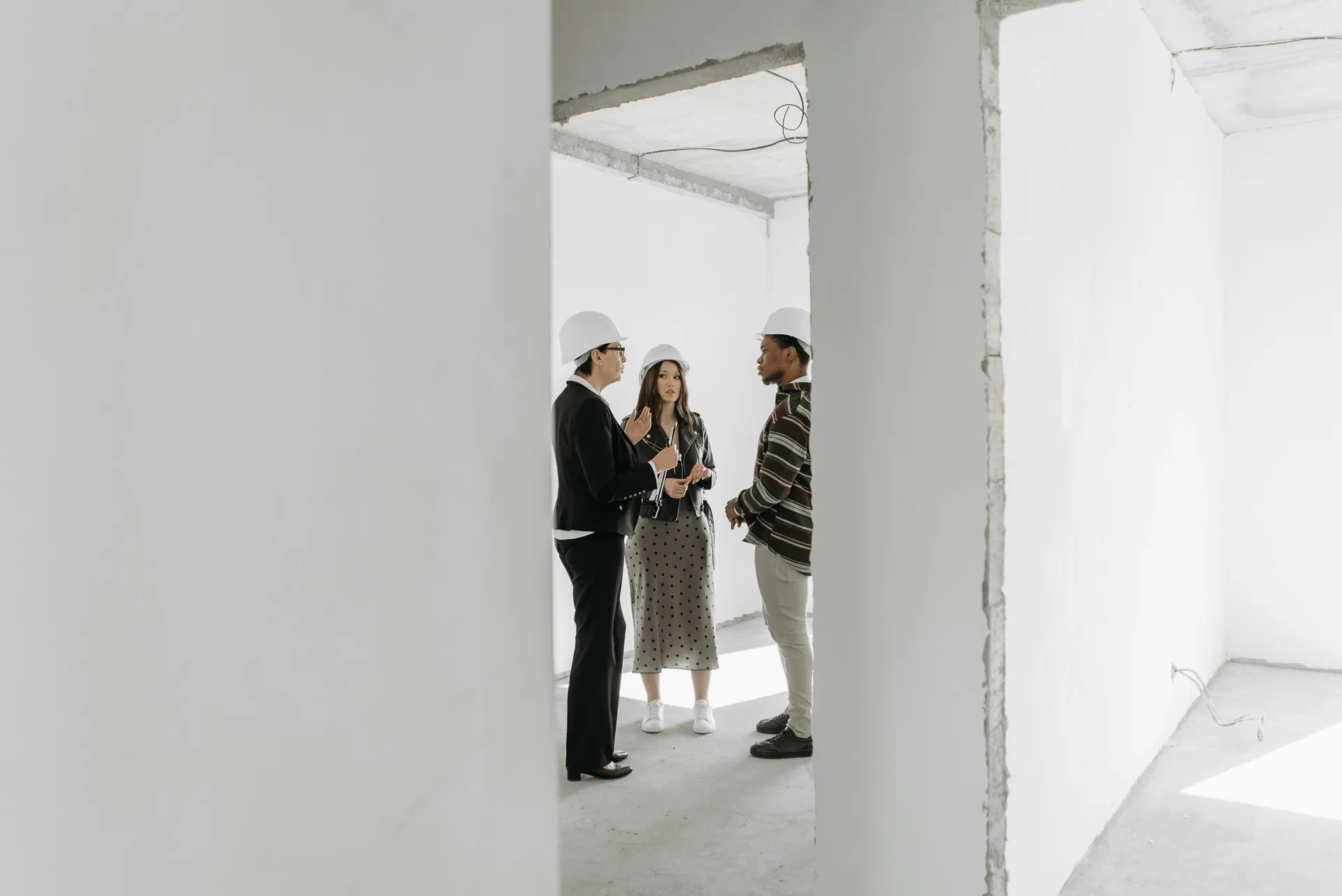
A standard apartment handover inspection takes between 1 and 3 hours. However, for large properties or complex defects, it may take as long as a whole day.
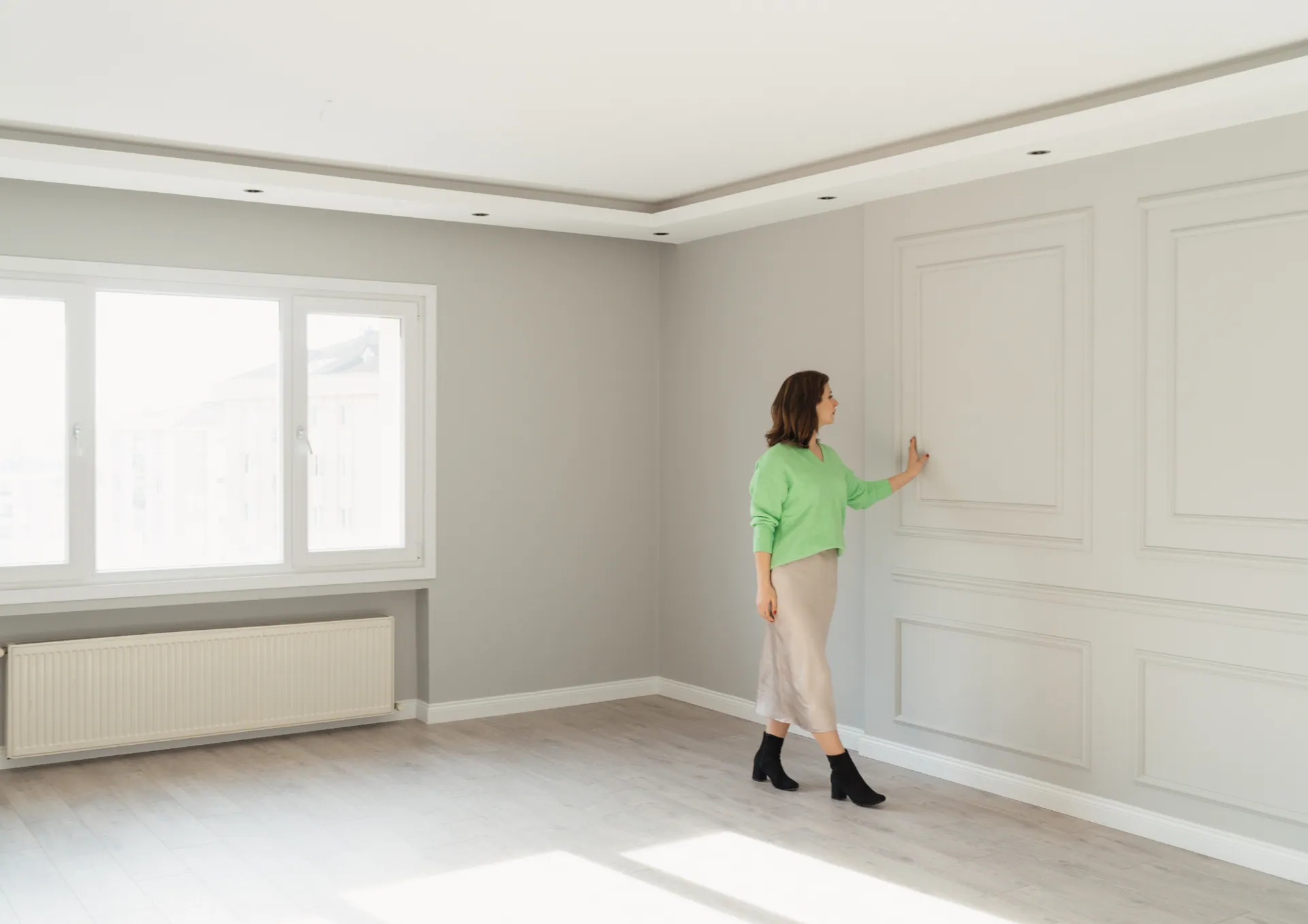
Step by step: how does an apartment handover inspection work?
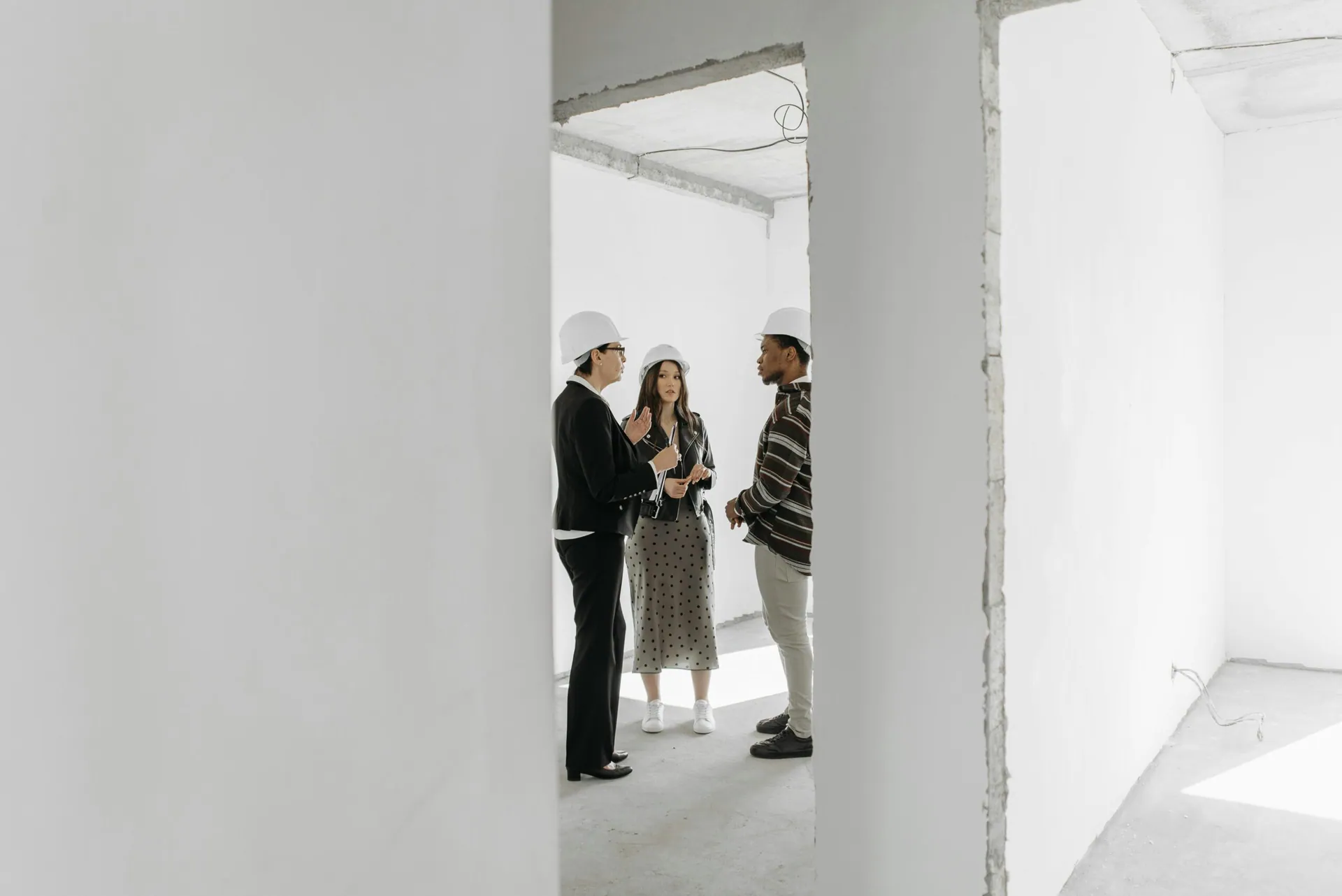
The handover inspection is a multi-stage process. Here is what happens during the visit:
1. Preparing the documents
Before the inspection begins, the developer should provide:
- the apartment floor plan,
- the technical specification (e.g. a description of the finishing materials),
- the handover report for signing.
2. Checking compliance with the agreement
Key aspects are checked, such as:
- the floor area of the apartment,
- the number of rooms,
- the ceiling height,
- the layout of the installations.
3. Checking the technical condition
During the handover inspection, you should focus on:
- walls (unevenness, hollow plaster, cracks),
- floors (levelness, quality of finish),
- windows and doors (seals, locking mechanisms)

4. Drawing up the defects report
If any defects are found during the inspection, they are recorded in the defects report. This report is the basis for complaints and repairs.
5. Signing the handover report
If everything is in order, or once a schedule for repairing the defects has been agreed, the report is signed by both parties.
The most common defects found during handover inspections
- Uneven walls and ceilings – unevenness, cracks, poorly applied plaster.
- Problems with windows and doors – leaks, difficulty opening and closing.
- Faulty installations – no water from the tap, sockets that don’t work, cold radiators.
- Lack of thermal and acoustic insulation – poor-quality seals, outside noise can be heard.
- Balconies and terraces – leaks, loose tiles, rusting balustrades.
How to prepare for an apartment handover inspection
- Bring a specialist: Take a building inspector with you who will spot shortcomings you might miss.
- Prepare your tools: A spirit level, tape measure, torch and camera will come in handy.
- Check the specification: Make sure you have all the documents from the developer.
- Set aside time: Make sure you have enough time to carry out the inspection calmly.
What if I find defects?
If you find defects during the handover inspection, you have the right to:
- record them in the handover report,
- set a deadline for their repair,
- withhold acceptance until they have been put right.
Remember that the developer is obliged to repair the defects identified within the agreed time.

Is it worth getting help from specialists?
Absolutely! A building inspector will:
- detect even minor defects,
- look after your interests in discussions with the developer,
- help you avoid lengthy disputes.
Fitako offers professional technical handover inspections of apartments. Our team will give you peace of mind and the confidence that your apartment is in the best possible condition.
>> CHECK US OUT <<<
>>> GET IN TOUCH <<<
Summary: how long does an apartment handover inspection take?
A new-build apartment handover inspection can take from 1 to 3 hours, but it all depends on the technical condition of the property and the thoroughness of the person carrying it out. With proper preparation and the support of a specialist, you can save time and avoid potential problems. Don’t rush – the handover inspection is an investment in your comfort and safety for years to come.
For more information, see:
Website of the Polish General Office of Building Control (GUNB) – questions and answers on apartment handovers and the relevant legal regulations: GUNB – questions and answers.
Consumer rights guidance websites – an article on the rights of buyers purchasing apartments from developers, available on the UOKiK (Polish competition and consumer protection authority) website: UOKiK – consumer rights in development agreements.
Construction websites with technical advice – a link to a page describing how to carry out a technical apartment inspection, e.g. Murator – apartment handover inspection step by step.
Tags: apartment handover inspection, handover inspection duration, apartment defects, building inspector, technical apartment inspection, how a handover inspection works, preparing for a handover inspection, defects report, taking over a property from the developer, Fitako construction services, apartment handover inspections Warsaw, specialist for apartment handover inspections, what a new-build handover inspection looks like, new-build apartment handover inspections, professional new-build apartment handover inspection