Apartment design – is it really necessary before finishing?
Taking over an apartment in developer standard is a moment many people look forward to eagerly. At last you have your own four walls, but instead of satisfaction, a list of decisions quickly appears. How should the space be arranged? Which materials should you choose? Where should the bed go, and where the fridge? At first glance it seems enough to hire a crew, choose the wall colours and that is that. In practice, without a detailed plan, the whole thing can turn into a marathon of corrections, stress and unexpected costs. This is where an apartment design comes in – a tool that brings order to the chaos and turns bare walls into a functional, comfortable and attractive home.
1. Stress-free apartment finishing – how does an apartment design make the whole process easier?
An apartment design is above all a plan of action that saves time and stress. With it, you know straight away where every piece of furniture and equipment will go, how the services will be routed, and which materials need to be ordered and in what quantities. It is not just a drawing showing the furniture layout – it is a detailed guide that leads you through the entire finishing process. Without a design, many decisions have to be made on site, often under time pressure and amid chaos, when the crew is waiting for an answer and the client is trying to choose between grout, flooring and paint colours.
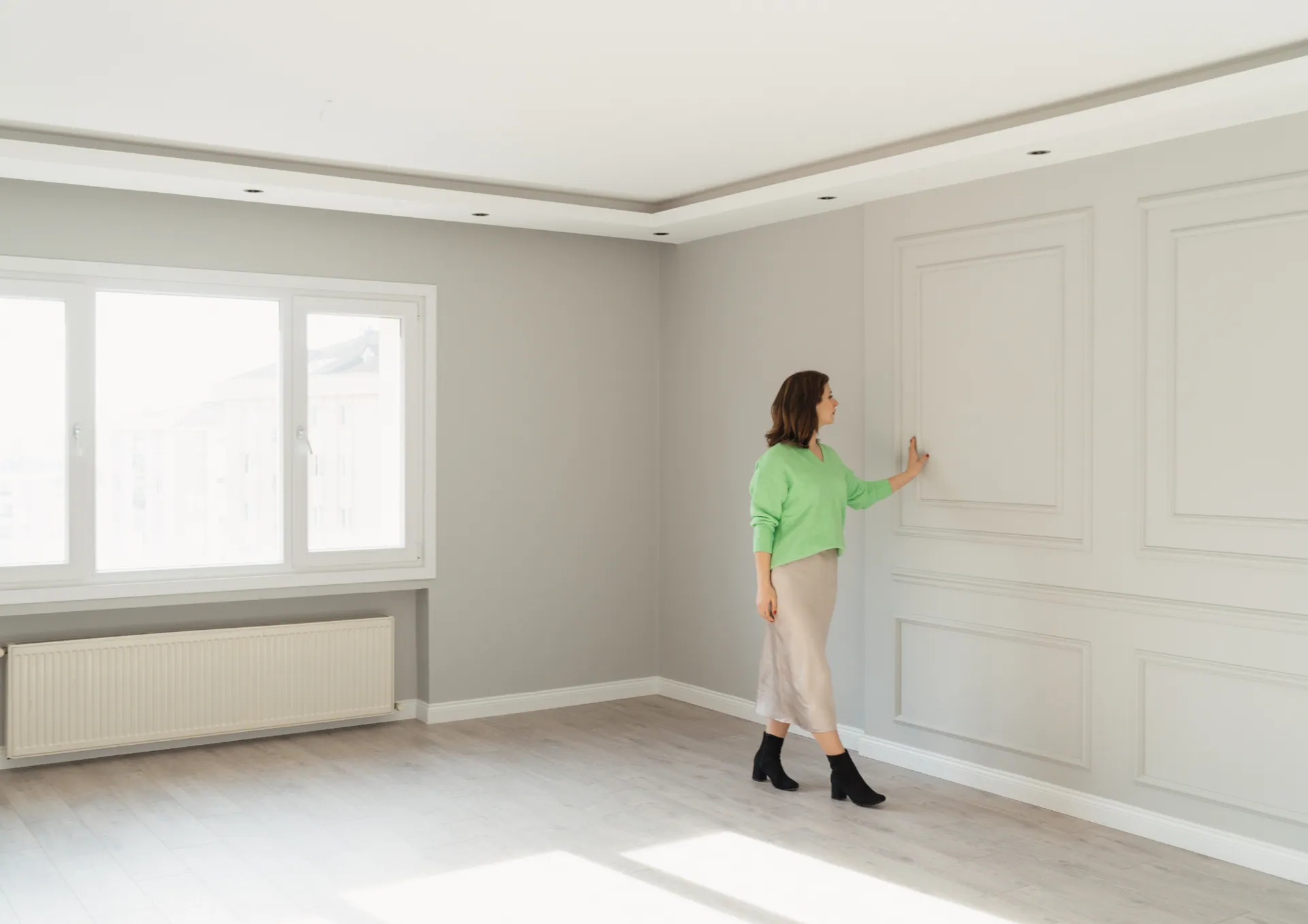
With an apartment design, all the key decisions are made in advance. The work schedule becomes clear and the construction crew knows exactly what to do and in what order. This helps us avoid misunderstandings, alterations and delays. A design also keeps the entire interior coherent – which is particularly important if the apartment is to have a well-thought-out style and character rather than looking like a collection of randomly assembled elements. As a result, the finishing runs more smoothly and the owner can sleep soundly, knowing that every detail was thought through before the first tools were picked up.
2. Can you finish an apartment without a design? Pros and cons
Of course, many people decide to start finishing work without a prepared design. Most often this stems from a wish to save money or the belief that ‘we already know what the apartment should look like’. At first glance this seems simpler – instead of analysing drawings and settling every detail, you just go to the shop, choose tiles, flooring and paint colour, and then have them installed.
The problem arises, however, when there turn out to be far more decisions to make than initially expected. How should the bathroom tiles be laid to avoid cuts in unsightly places? Where should additional sockets go? Do the chosen taps and fittings really suit the planned layout? Such questions often only come up during the work, and every correction means extra cost and delay.
Without an apartment design, it is also easy to fall into the trap of inconsistency – every room looks different because choices were made ‘on the go’. The end result can be chaotic and fail to meet the original expectations. The advantage of finishing ‘live’ is greater flexibility – you can change something at the last minute. But in practice this tends to mean firefighting rather than making informed decisions.
3. Apartment design and the budget – is it really a saving?
The argument that a design is an additional cost often comes to the fore. And indeed – paying an interior architect or design studio is an expense many would rather avoid. However, it is worth looking at it from a different perspective. A design allows you to calculate in detail which materials will be needed, in what quantities and in what order. This means there is no ordering ‘by eye’ and, consequently, no overpaying for surplus that ends up gathering dust in the garage or basement.
A well-prepared design also helps avoid costly alterations. An example? If the kitchen furniture layout is not agreed in advance, the sockets may end up in the wrong place. Moving them means extra time, extra work and extra money. Across a whole apartment, there can be a dozen or more such situations.

A design is also a tool for comparing contractors’ offers. With complete documentation, it is easier to obtain precise quotes rather than rough figures that later surprise you with a series of ‘extras’. This way the client knows what to prepare for and does not have to worry that the cost of finishing will suddenly rise by tens of thousands of złoty. <at Fitako we will prepare a project quote for you free of charge – get in touch with us >
Contrary to appearances, an apartment design is not a luxury, but a way to manage the budget better and make real savings – of both money and nerves.
4. Apartment design and working with a finishing crew
For contractors, a design is not just a convenience, but a roadmap. Detailed documentation tells them what to do, in what order and which materials to use. Instead of guessing where the bath should go or how wide the skirting board should be, they have clear guidelines – which eliminates the risk of errors and misunderstandings.
The lack of a design very often leads to situations in which contractors have to make decisions on the client’s behalf. This in turn causes frustration – because if the apartment owner does not like something, complaints only arise after the fact. A design moves responsibility to the planning stage and helps avoid disputes.

Working with the crew is also more time-efficient. The tradespeople can prepare a schedule, order materials in advance and optimise the sequence of work. As a result, the project does not drag on for months and the individual stages do not hold each other up.
<HERE> you can read about working with us on interior finishing
5. Is it worth using an interior designer?
Many clients wonder whether working with an interior designer is necessary. After all, everyone has their own taste and can choose nice furniture or colours. The thing is, a designer does not just ‘pick accessories’. They are a specialist who can combine aesthetics with functionality and ensure the whole space is coherent.
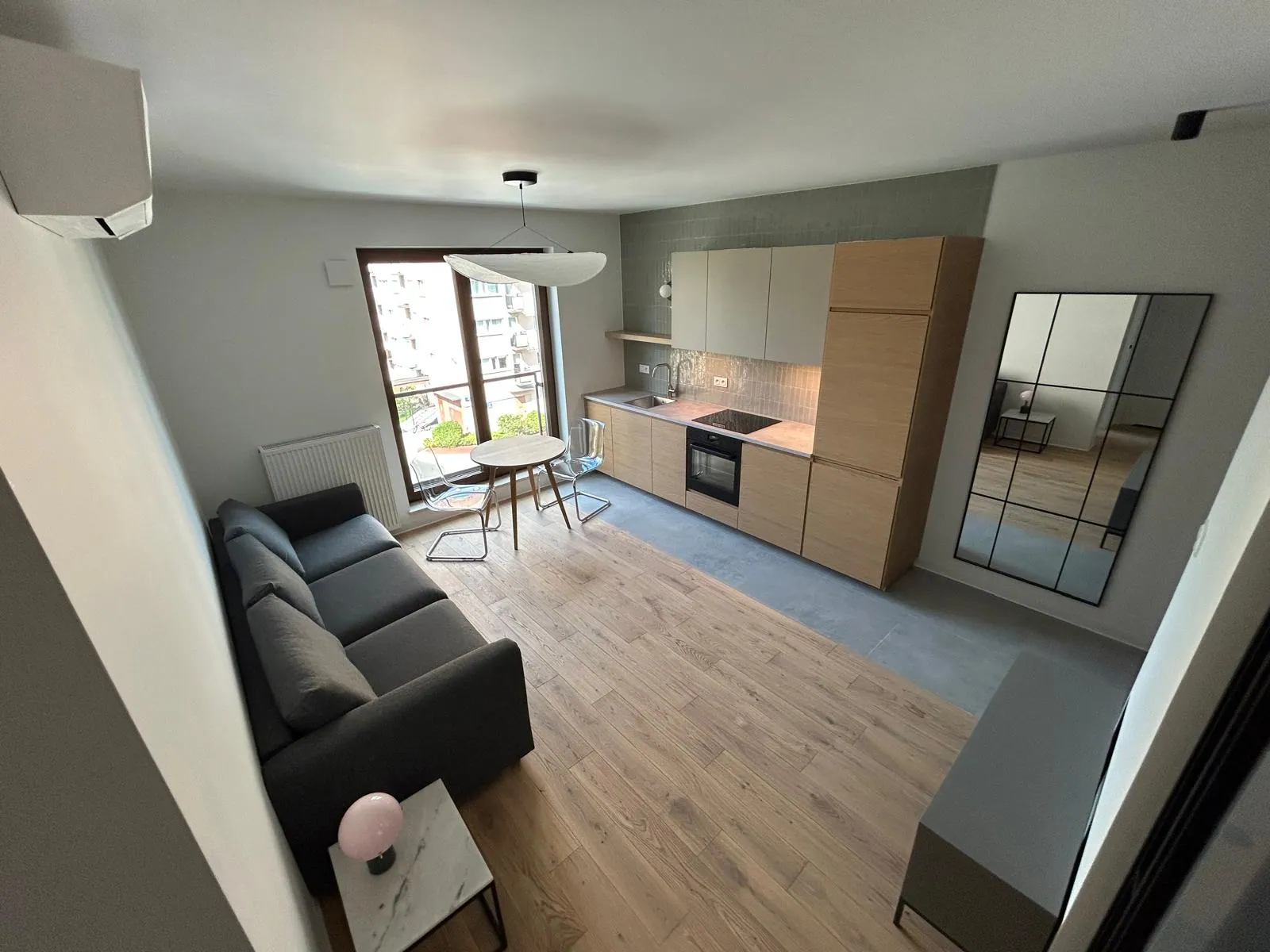
A designer sees what an inexperienced person often misses. They can assess the proportions of rooms, plan suitable lighting and anticipate how the space will age with use. Importantly, they also know current technologies and solutions that can significantly improve everyday comfort while optimising costs.
For many people, an added benefit is the time saved. Instead of spending weeks searching for the right materials or wondering which solution is better, you can rely on the designer’s knowledge and contacts. This means not only greater certainty about the end result, but also real relief in the decision-making process.
An interior designer therefore acts as a guide – leading the client through the complex finishing process and making sure every element fits the whole. The result is an apartment that not only looks good, but above all works well in everyday use.
6. Typical mistakes when finishing without a design
When deciding to work without a design, clients often fall into the same traps. One of them is a lack of coherence – the apartment becomes a patchwork of random choices. Separately chosen tiles, a random wall colour and furniture bought on impulse may not form a harmonious whole.
Another problem is poor planning of functions. Sometimes electrical sockets are installed where no one ever plugs anything in, and the kitchen cupboards cannot fit larger pots. Such shortcomings are a daily nuisance, and fixing them after the work is finished can be costly and time-consuming.
We must not forget about structural and installation errors either. Without a design, it is easy to overlook details that lead to more serious problems over time – for example a leaking water system or poorly designed lighting. The result? Higher running costs and further renovations that could have been avoided.
7. When is an apartment design absolutely essential?
Although in theory you can finish an apartment ‘by eye’, there are situations in which a design becomes an absolute foundation. This applies above all to larger apartments, where it is easy to get lost without a plan. Every change in one room affects the whole, and organisational chaos grows exponentially.
A design is also essential for more advanced technical solutions – such as smart home systems, unusual built-in furniture or concealed LED lighting. Without proper technical preparation, such elements will either not be built at all or will be executed incorrectly.
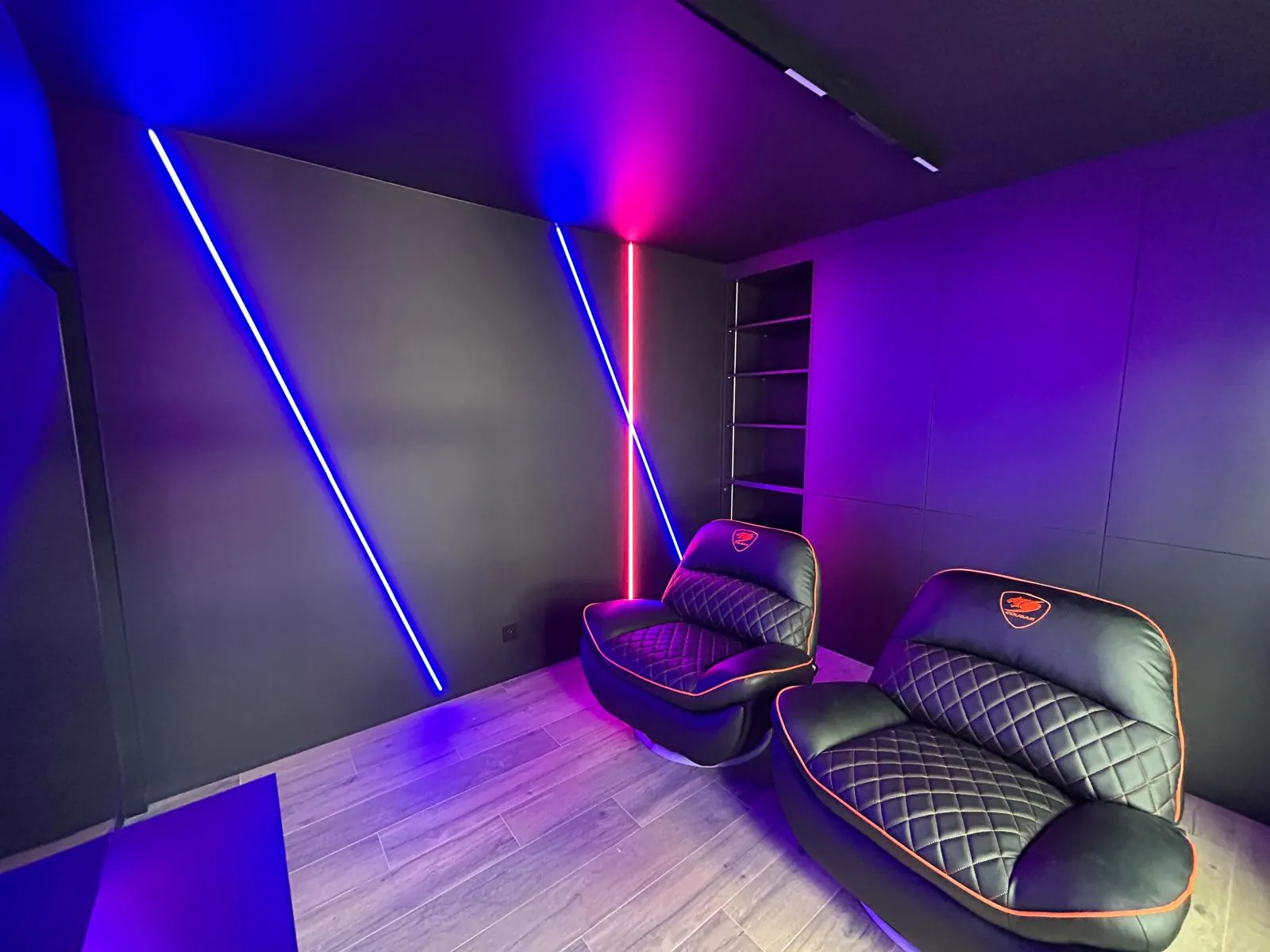
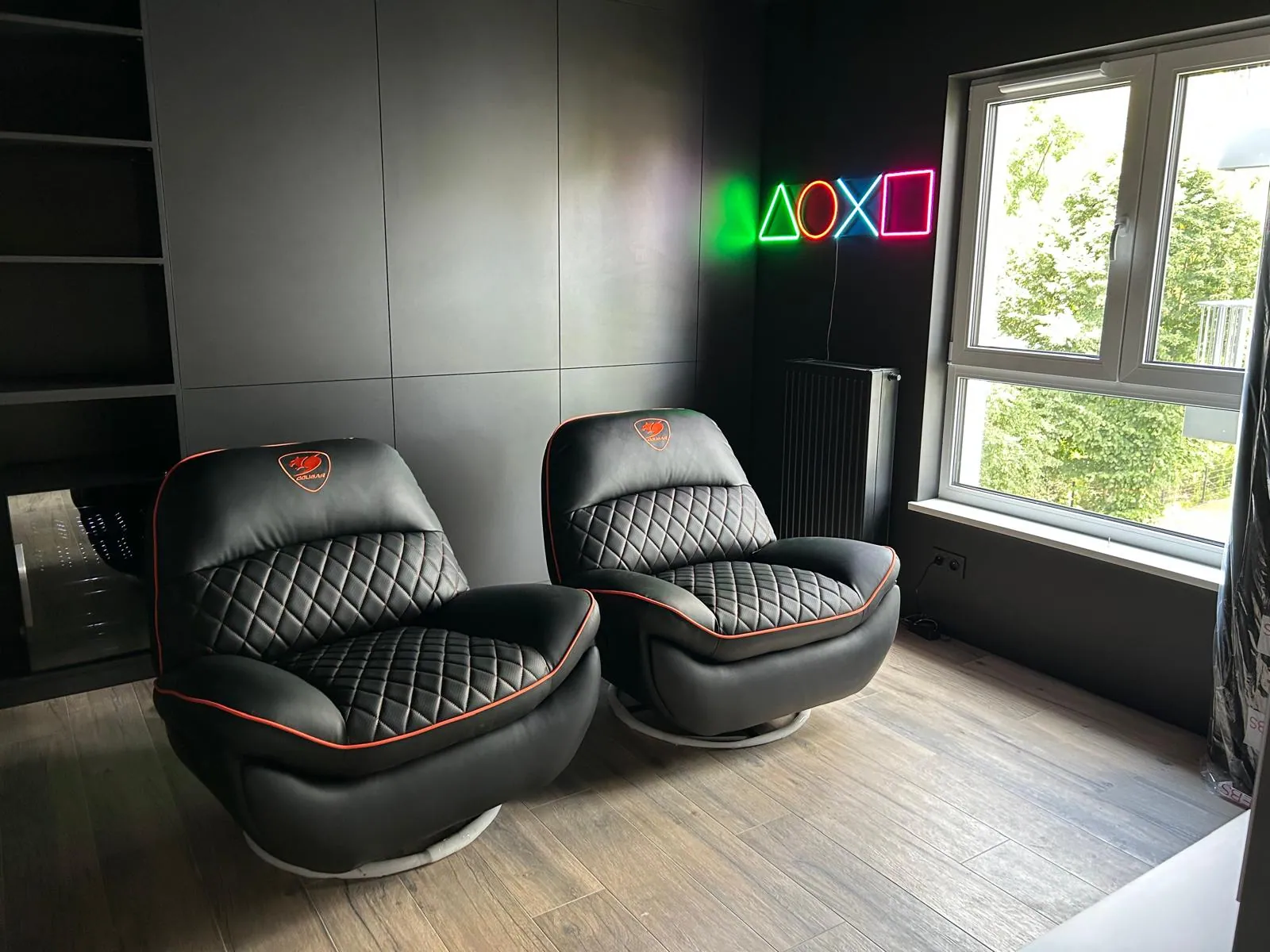
Above: the interior of a gaming room designed by jndesign (we recommend working with them 🙂 )
It is worth remembering that a design is also useful when the apartment is meant to be an investment for letting or sale. A professionally designed interior not only finds tenants faster, but also increases the market value of the property. It is an investment that genuinely pays off.
8. So how much does it cost?
The price of an apartment design depends on many factors – the floor area, the level of complexity and the scope of the documentation. On the Warsaw market, you can find offers from a few dozen złoty per square metre, but in practice a professional interior design usually costs from several hundred to several thousand złoty. It is an expense that may seem large at first glance, but compared with the total cost of finishing it is only a fraction of the budget. What is more, a well-prepared apartment design often saves many times more by eliminating wrong purchases, the need for alterations or corrections after construction crews. So rather than treating a design as an extra cost, it is better to see it as an investment that increases the comfort and value of the apartment.
Summary
An apartment design is not an unnecessary luxury, but a practical tool that saves time, money and stress. It makes the finishing process run more smoothly, and the end result is coherent and functional. It is also a way to avoid mistakes that, without a plan, often only become apparent once you are living in the apartment.
Is it worth investing in an apartment design? Absolutely – especially when we think of the apartment as a space to live in for years, not just as a quick renovation. A design does not limit the client’s freedom; it provides a solid foundation for turning a vision into a well-executed reality.